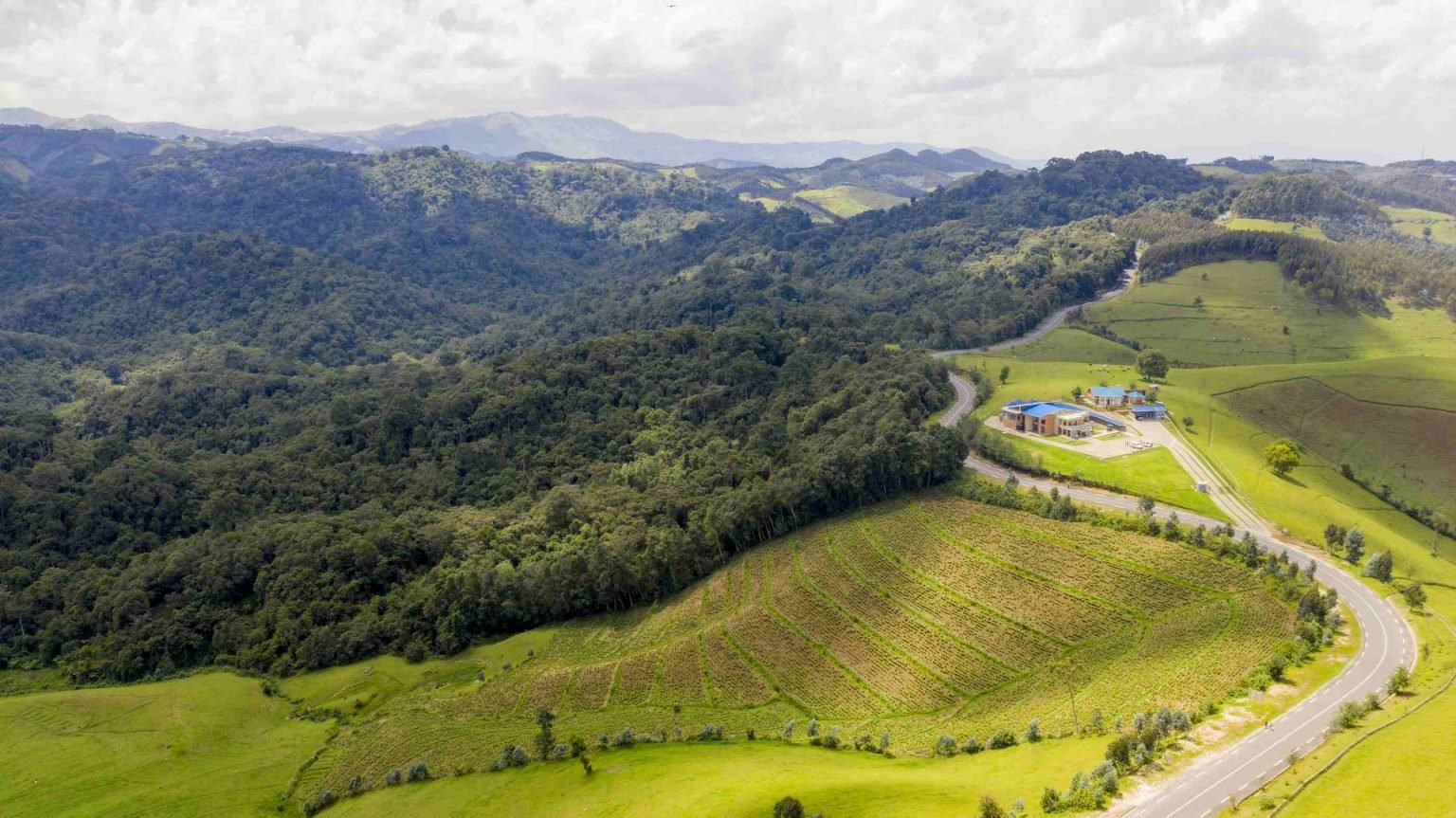



The fourth national park in Rwanda, Gishwati Mukura, is composed of two distinct forests – Gishwati, which is larger, and Mukura, which is smaller. The two forests cover a total area of 34 square kilometers, and there is also a buffer zone included. The forests are situated on a ridge that separates the Congo and Nile water catchment areas in the Albertine Rift region in the west of Rwanda. The forests are made up of 60 different species of trees, including native hardwoods and bamboo.
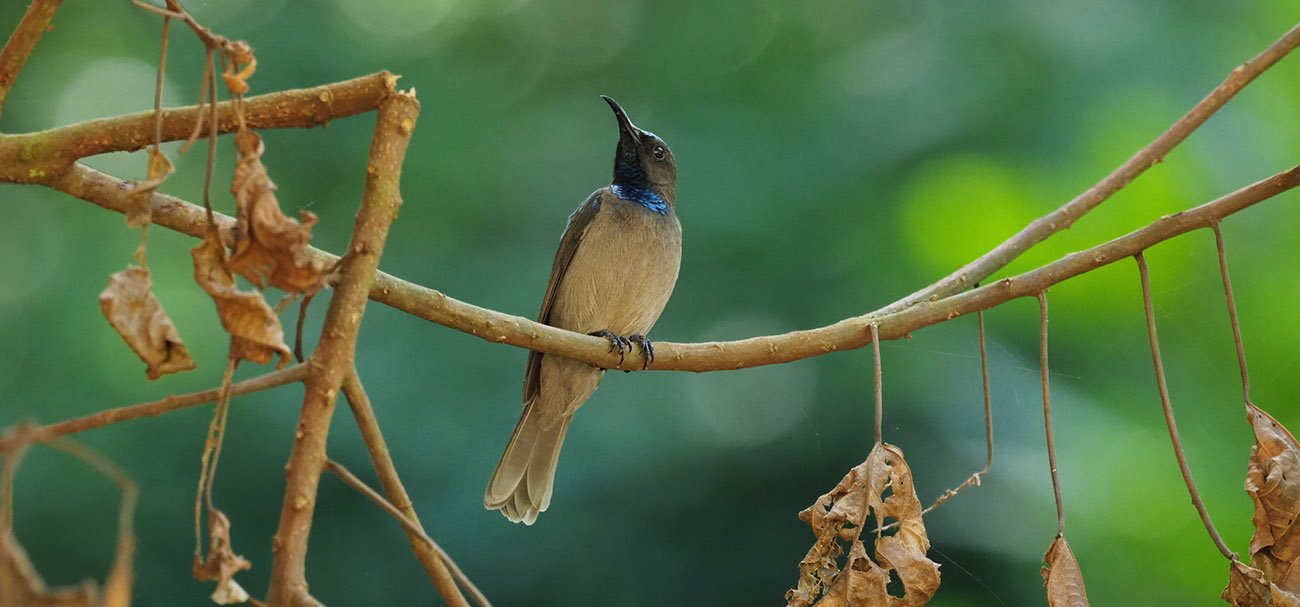
Gishwati is the dwelling place of a troop of 20 chimpanzees who coexist with golden monkeys, L’Hoest’s monkeys, and blue monkeys. There is also a rich variety of bird species, with 232 species observed at Gishwati and 163 species at Mukura, some of which are Albertine Rift Endemic species and forest specialists.
In 2019, activities within the park commenced, which includes guided nature hikes, guided tracking of chimps and monkeys, bird watching, and trips to the waterfalls.
The area was almost exhausted because of various reasons such as resettlement, unlawful mining in the mineral-rich forest, and livestock farming. The formal declaration of the region as a National Park in 2015 aims to address this issue by increasing the number of trees to enhance soil fertility, stabilize slopes, and regulate stream flow. This move is expected to improve the livelihoods of people living in the surrounding areas, and consequently increase the forest’s chances of regeneration, while also providing potential for long-term improvement in living standards.
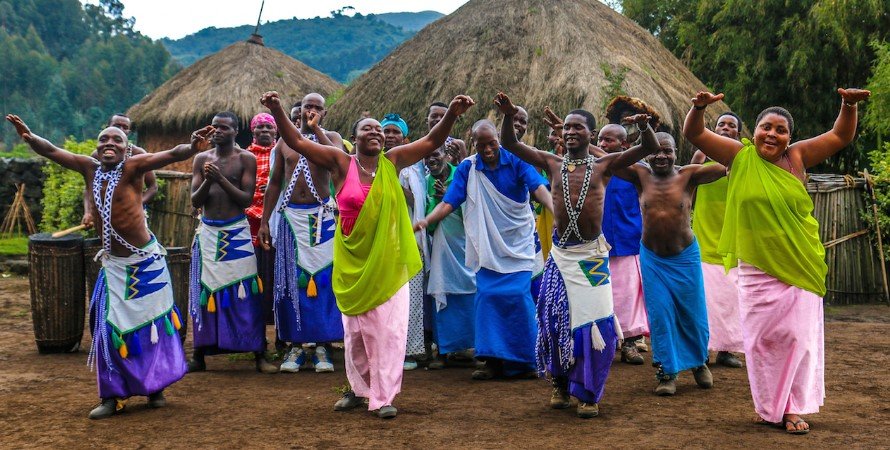
The community-based activities that are available in the area include a farm stay, live cultural dance performances, handicraft-making, beekeeping, tea plantation tours, and opportunities to learn from traditional healers who use natural plants to supplement modern medicine and synthesized drugs.